The thrill of chance and uncertainty
The allure of casinos often stems from the excitement surrounding chance and unpredictability. Players are drawn to the potential of winning big, despite the inherent risks involved. This thrill is deeply rooted in human psychology; our brains are wired to seek out rewards, particularly when they are uncertain. For those looking to experience this excitement, casino uk fast withdrawal options can enhance the gameplay by providing quick access to winnings. The variable rewards system mimics a slot machine, where players receive hits of dopamine, creating a feeling of euphoria and anticipation, reinforcing the desire to continue playing. This neurochemical response to uncertainty engages players at a biological level, making every spin of the wheel or shuffle of the cards feel exhilarating.
Furthermore, the uncertainty of winning or losing is an enticing challenge that appeals to an individual’s adventurous spirit. People often find a sense of accomplishment when they overcome obstacles, including the odds of the games. This challenge becomes a game of skill, where players believe they can outsmart the system, even when they are simply at the mercy of chance. This psychological phenomenon encourages players to return, driven by the hope of achieving a significant win. The belief that strategy and skill can influence outcomes leads to a persistent cycle of play, where individuals often rationalize their losses in the hope of future victories.
Additionally, the idea of experiencing a ‘near miss’ can be a powerful motivator. In gaming contexts, players often interpret losing just before winning as a sign to continue playing, fueling their excitement. This psychological effect influences betting behavior and reinforces casino attendance, as individuals chase that elusive win. The emotional highs and lows create a rollercoaster experience that few other activities provide, making casinos an enticing escape from everyday life. Such experiences not only stimulate the brain’s reward pathways but also foster a sense of hope and possibility that players find hard to resist.
The social aspects of gaming
Casinos also serve as social hubs, where individuals gather to share experiences and enjoy camaraderie. Social interactions within a casino environment can foster a sense of belonging and community among players. Many enjoy the shared thrill of cheering for each other during a game or celebrating wins together. This interaction can enhance the overall experience, making the casino a place where friendships can form and thrive. The social bonds created in casinos often extend beyond the games, as players share stories and strategies, creating a rich tapestry of human connection.
Moreover, the communal atmosphere is a vital aspect that draws people in. Games like poker encourage players to engage not only with the game but also with each other. The psychology of social proof is at play here; witnessing the excitement and enjoyment of others can prompt individuals to participate. People are more likely to try their luck in an environment where they see others experiencing joy, further amplifying the casino’s magnetic allure. This social dynamic transforms gambling into a collective activity rather than a solitary pursuit, enhancing the entertainment value.
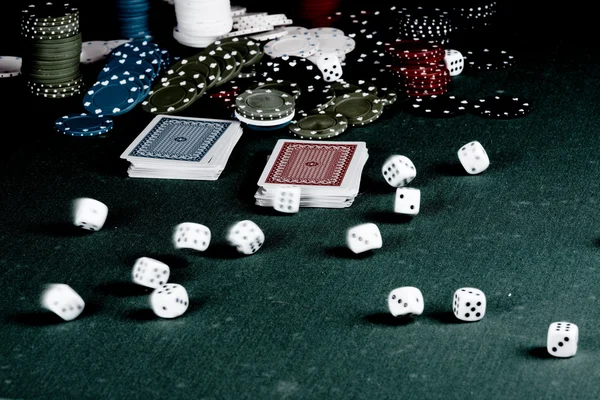
Socialization in casinos can extend beyond just the games themselves. With restaurants, bars, and live entertainment, these venues provide multiple avenues for interaction. The combination of gaming and social activities creates a unique environment that enhances the enjoyment of gambling. This multi-faceted experience often leads individuals to view casinos as entertainment venues rather than simply places to gamble, making them more appealing to a broader audience. The blend of excitement, social engagement, and leisure activities means that casinos can cater to various interests and preferences, making them a popular destination for many.
The role of marketing and atmosphere
The physical and psychological design of casinos plays a crucial role in attracting patrons. The vibrant lights, sounds, and lavish décor create a sensory-rich environment that heightens excitement and draws people in. Marketing strategies also capitalize on the thrill of luck and fortune, portraying the casino as a paradise for dreamers seeking a transformative experience. The overall design and atmosphere are meticulously crafted to keep players engaged, creating a sense of escapism. This carefully curated environment encourages individuals to suspend reality and immerse themselves in the thrill of the moment.
Moreover, the strategic placement of games and amenities within casinos can significantly influence player behavior. For example, placing high-stakes games centrally can attract attention and stir excitement, encouraging more players to engage. Similarly, the absence of clocks and windows helps create a disorienting effect, allowing players to lose track of time and spend longer in the casino. These psychological tactics amplify the potential for increased spending and continued participation. By manipulating the environment, casinos can enhance the gambling experience and encourage players to stay longer and gamble more.
Casinos often leverage loyalty programs to entice patrons to return. These programs tap into players’ desires for recognition and reward, offering bonuses that create a sense of value. This practice enhances customer loyalty while playing into the psychology of wanting to chase rewards. The combination of a well-crafted atmosphere and effective marketing strategies results in a powerful emotional connection between players and casinos, ensuring a loyal patronage. This connection not only benefits casinos through repeat business but also fosters a community of players who feel valued and appreciated.
The impact of risk and reward on behavior
The psychological concept of risk versus reward plays a significant role in the gambling experience. Players are often motivated by the possibility of a large payout, weighing that against the risk of losing their bets. This dynamic creates an intriguing tension that can be both exhilarating and frightening. Many individuals thrive on risk; the adrenaline rush associated with potential loss can be incredibly stimulating, drawing them back to the tables time and time again. The thrill of risking something for the chance to gain something greater taps into fundamental human instincts and desires.
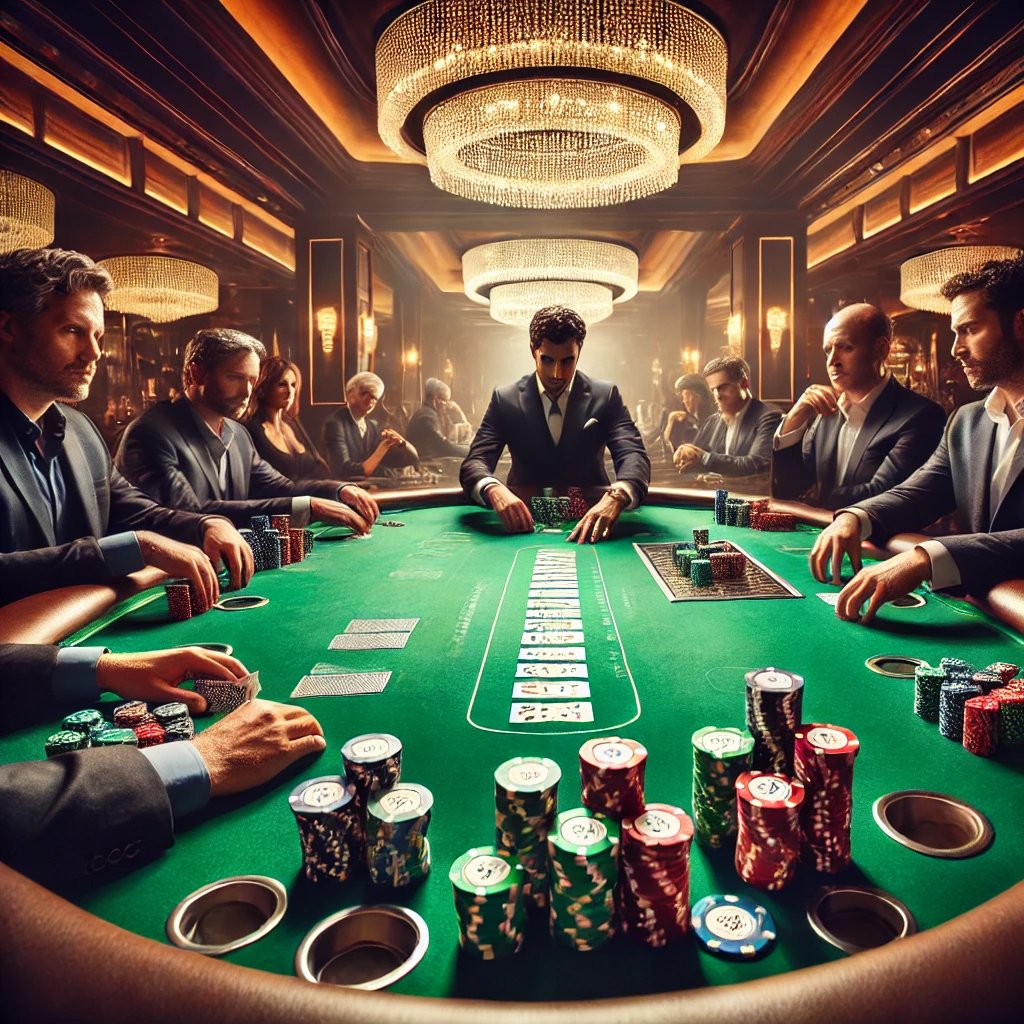
Moreover, the perception of risk can vary greatly from one player to another. Some may approach gambling with caution, carefully calculating their bets, while others may embrace a more reckless attitude, fully surrendering to the thrill of chance. This variance in approach is influenced by personal experiences, psychological predispositions, and individual coping mechanisms. Understanding this dynamic allows casinos to cater to a wide range of players and their varying risk appetites. By offering diverse gaming options, casinos can attract both cautious players and thrill-seekers alike.
Additionally, the emotional rollercoaster associated with gambling can lead to a phenomenon known as “loss chasing.” This occurs when players continue to gamble in an attempt to recoup losses, often resulting in increased spending and heightened emotional investment. Casinos may capitalize on this behavior by creating an environment that encourages players to take risks, further perpetuating the cycle of risk and reward. This psychological interplay is essential in understanding why many find themselves drawn to the casino experience. The constant push and pull of risk and reward can create a compelling narrative that keeps players engaged and invested in the outcome.
Engagement with online gaming platforms
As the world of gambling expands, online casinos have risen dramatically in popularity, altering the gambling landscape. The convenience and accessibility of online gaming platforms have attracted a new demographic of players who may prefer the comfort of their own homes. The psychological factors that entice individuals to land-based casinos remain relevant in these virtual environments. Players still crave excitement, social interaction, and the possibility of winning, which online platforms can replicate to a great extent. This shift reflects a broader trend in consumer behavior, where convenience and accessibility are increasingly prioritized.
Furthermore, online casinos employ various strategies to enhance user engagement, such as creating immersive game experiences and offering interactive features. Live dealer games, for instance, simulate the casino ambiance by allowing players to interact with real dealers and fellow gamers through video feeds. This feature satisfies the social aspect of gaming, creating a community-like feel even in a digital environment. These innovations ensure that players remain captivated, reinforcing the appeal of online gambling. The seamless integration of technology and gaming creates an experience that feels both authentic and thrilling.
Finally, the growing popularity of mobile gaming has made it even more accessible, allowing players to engage anytime and anywhere. The psychological impact of this convenience should not be underestimated; being able to gamble on the go makes it more likely for individuals to play impulsively. This ease of access deepens the emotional connection with the gaming experience and encourages continued participation. As technology advances, the evolution of gambling psychology continues to unfold, making it an exciting topic of exploration. This shift towards digital platforms demonstrates how the industry adapts to meet the desires and lifestyles of modern players.